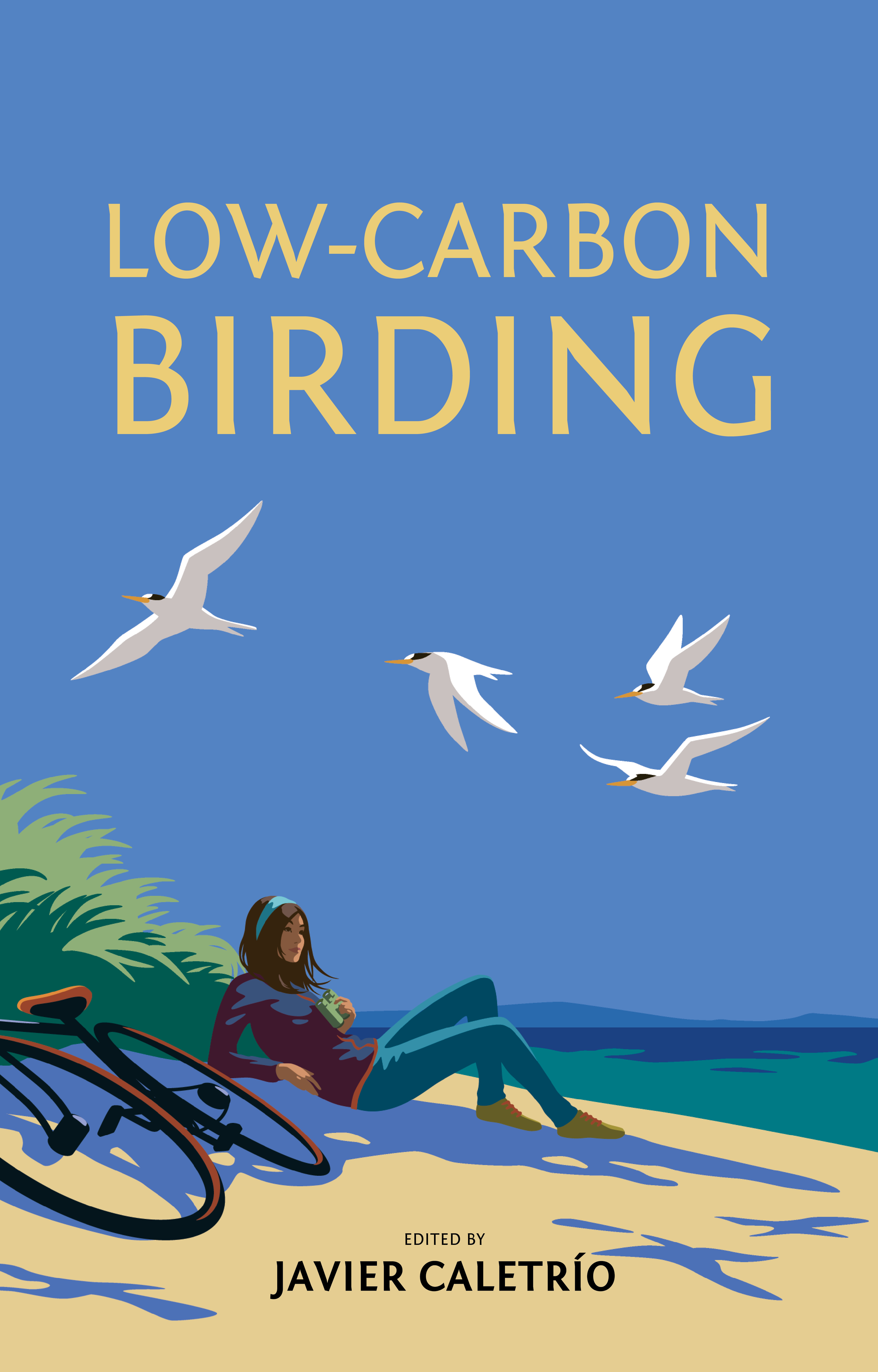
Best Bird Book of the Year in 2022 – BTO & British Birds
Over the last four decades long-distance travel to watch birds around the world has become normalised and celebrated by conservation organisations, wildlife media and leading figures in the field. Flying frequently and driving up to 15,000 miles a year just to watch birds and having long ‘bird lists’ was often seen as a sign of commitment, distinction and expertise. But with the growth of ‘birding miles’ there has been an increase of the climate impact of birdwatching as a social practice, directly through greater carbon footprint and indirectly through helping to normalise energy-intensive lifestyles.
Low-Carbon Birding advocates cultural change in the world of high-carbon ornithology and birdwatching.
It argues that along with the provision of the necessary transport infrastructures, conservation organisations and wildlife media have a responsibility in normalising a climate-friendly birding culture, one based on the simple pleasures of everyday life and a reassessment of how we value ordinary birds and places.
Low-Carbon Birding was selected by two leading British ornithology institutions – the British Trust for Ornithology and the journal British Birds – as the best bird book of the year in 2022.
Clarification
The argument has been misunderstood by one commentator (who didn’t read the book!) as arguing that the climate crisis can be addressed with a focus on ‘individual change’ (as opposed to ‘system change’). This is incorrect (see, for example, pages 2-3, 19-21 and quotes below). As noted in my introductory chapters and the Afterword the focus is on cultural change which, as the IPCC 2022 report on mitigation argues, is an intrinsic part of systemic change.
The book does not claim that responsibility of climate action simply rests on individuals. Instead it argues that research and conservation organisations, wildlife media and influential individuals have a responsibility to shift away from the current culture of excess and promote birding styles that can be enjoyed by all – and not just a select few – in a liveable planet. They have a responsibility to support efforts to transform transport systems that will enable birdwatching to be low-carbon by default.
Changing large-scale, complex systems that involve multiple levels, scales and sectors requires this kind of social, policy and institutional entrepreneurship.
The chapters written by 29 contributors illustrate that low-carbon birding styles based on proximity and better use of public and active transport (when available) are a legitimate and valuable way of enjoying birds.
At a time of growing inequalities, the notion of ‘low-carbon birding’ offers a positive narrative to what many birdwatchers were already doing (enjoying birds locally, also known as ‘patch birding’ ) but which was not always valued in a birding world that privileged long distance driving, frequent flying and large travel budgets. It offers a positive narrative to those who by conviction or necessity do not or cannot indulge in excessive travel, and who demand clean transport systems.
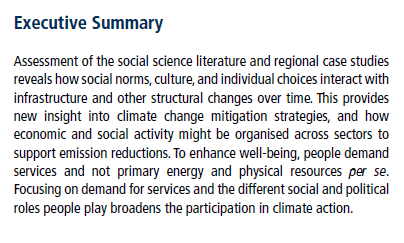
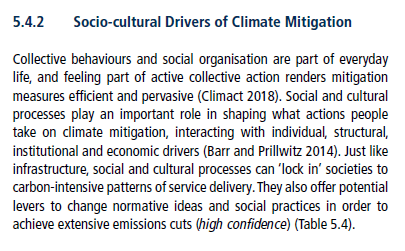
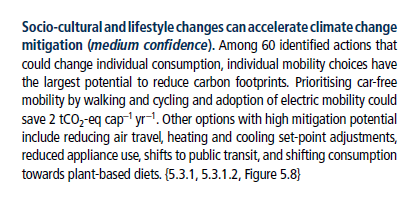
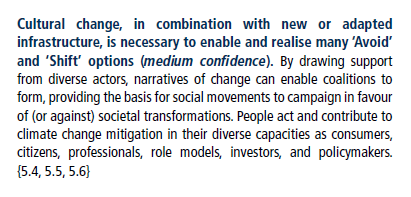
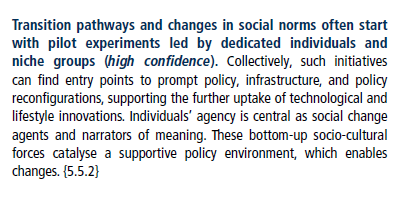
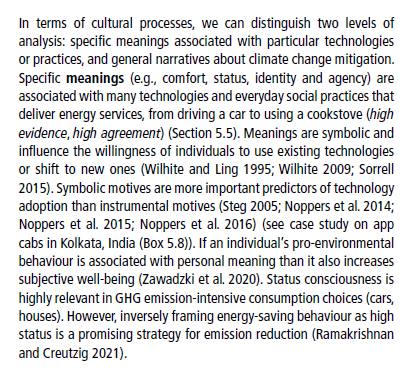
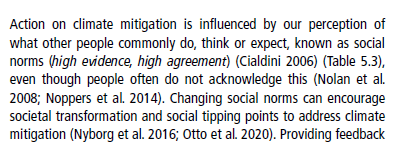
The quotes below from the book Low-Carbon Birding underline the focus on cultural change (in addition to provisioning clean transport systems). Below these quotes are excerpts from the 2022 IPCC mitigation report illustrating the significance it grants to questions of culture, social norms and lifestyle change which is the focus of Low-Carbon Birding.
Quotes from the book Low-Carbon Birding
What exactly birdwatching could look like in a liveable planet … will depend on decisions made by each society about future transport systems; the way we organise where and how we live, work and consume; our views on inequality; and how much we let nature regenerate in and around cities and the countryside. Importantly, it will depend on who makes those decisions. All this remains uncertain at the moment.
The key issue, however, is not that too many birdwatchers routinely engage in long-distance driving and frequent flying, but that wildlife media and influential organisations in the birding world often celebrate these styles of high-carbon birdwatching. (…) The challenge is not one of changing individual minds but of cultural change. We need to normalise behaviours and worldviews that are aligned with the realities of the climate emergency. We need to reimagine birdwatching for a liveable planet.
Rapid and significant emission reductions require decisive action by governments and big business to put in place regulations and infrastructures that will enable individuals to change their habits and live more sustainably. But the argument that a focus on lifestyle change is a distraction fails to acknowledge that system change is as much about demand as it is about supply, and that the actions of individuals can be connected to larger efforts for systemic change.
A focus on the demand side of system change also helps to shed light on the role of the high emitters in the climate crisis. For most of the population, major cuts in CO2 will be via structural change across the energy system. But for a minority of high emitters, lifestyle change is the most effective way to reduce emissions. The top 10% of earners globally (…) are responsible for half of all carbon emissions through their individual consumption habits
For now, complying with the Paris Agreement requires reducing aviation demand with policies targeted at frequent flyers and by changing travel norms.
Equity needs to be at the core of any meaningful mitigation policy, and this applies not just between countries but also within countries: between wealthier and poorer parts of the population. The responsibility for these reductions in miles driven should be distributed fairly, with greater effort being made by those who drive more for leisure. In the UK, 24% of households do not have a car and those households with the highest incomes use their cars three times more than those with the lowest.
A liveable planet will be one in which we have replaced a culture of excess for the few with a culture of moderation and sufficiency for all. The aim of this book is to show that sufficiency in birdwatching is not only good for the planet but it can bring untold pleasures.
Quotes from the 2022 IPCC mitigation report illustrating the significance it grants to questions of culture, social norms and lifestyle change.
The book has been reviewed in more than a dozen publications from Europe, North America, Australia and New Zealand.
The Foreword is written by the ex-CEO of the UK’s Royal Society for the Protection of Birds (largest bird conservation organisation in the world with 1.2 million members). Other contributors are ecologists working at the British Trust for Ornithology (a highly respected ornithology institution in Europe), the former Head of the Department of Zoology at the University of Oxford and Director of the Edward Grey Institute of Field Ornithology, and authors of well-known bird books.