My research has been inspired by a lifelong concern for and curiosity about people, nature and the environment.
I am interested in the co-evolution of environmental, social, economic and technological change which I have approached through a complex systems perspective.
I have used mobilities studies, environmental sociology and transition studies to learn about how co-evolving transport, energy and media systems shape travel patterns and experiences of place and environmental risk.
A concern has been understanding how energy and transport systems can be redesigned to enable lifestyles that flourish within the planetary boundaries that protect Earth’s life supporting systems.
These ecological transitions often require new physical technologies. But the development and diffusion of a technology is often determined by factors related to demand. This may involve changes in values, norms and practices. It may involve questions of trust in, and legitimacy of, the actors promoting that technology.
I am interested in how changes in values and narratives can facilitate a shift of social norms in tourism and leisure (for example, regarding flying less and spending holidays more locally). Research has shown that this ‘demand’ side can be as important in facilitating or obstructing change as the ‘supply’ side. Both are interrelated and both are part of systemic change.
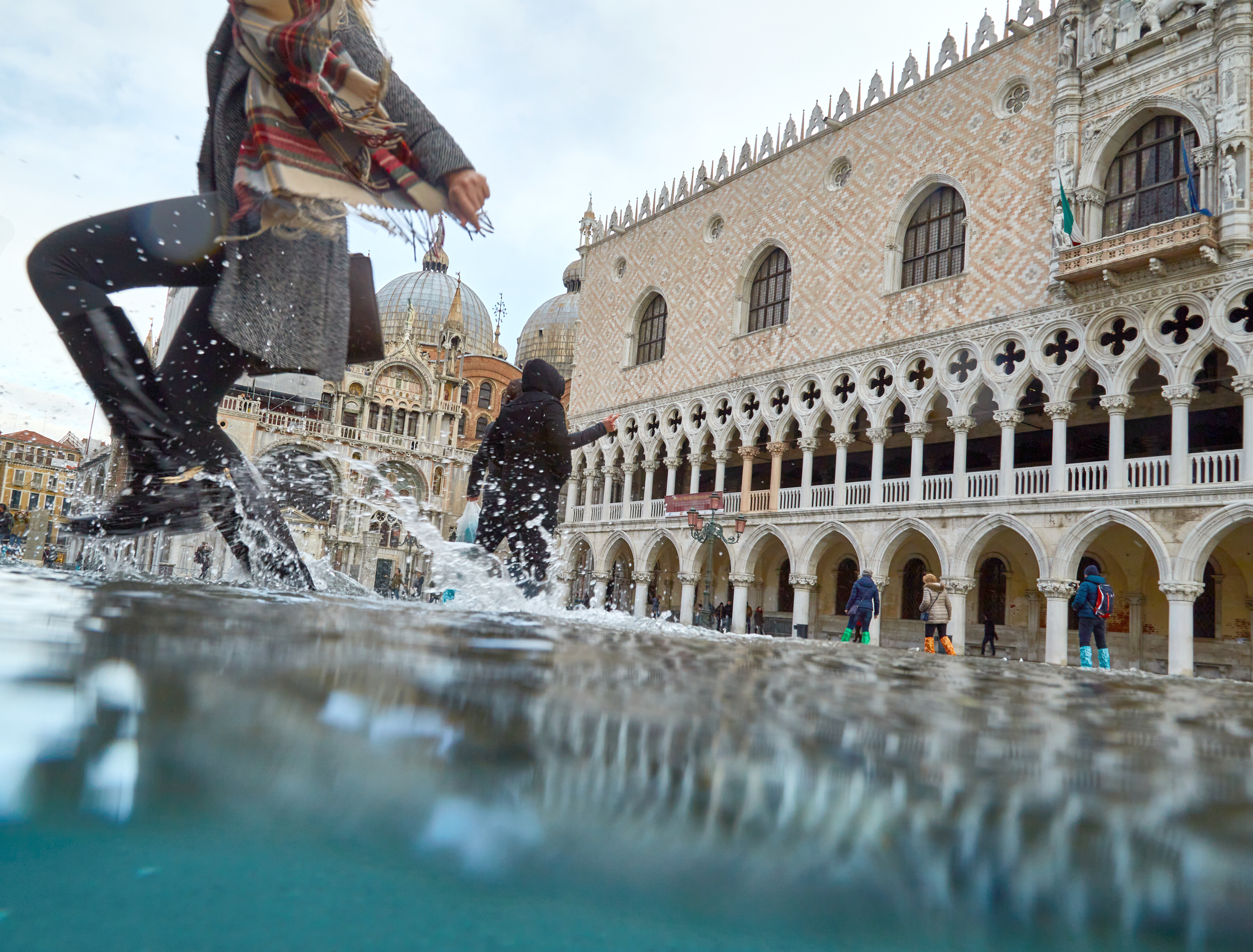
As the ensemble of the material world, social practices, and their symbolic representations, landscape is a useful notion to examine the consequences of interactions between ecological, cultural and economic processes. I use this notion to understand long-term ecological and economic changes in coastal areas of the Mediterranean, as well as tipping points in the perception of risk and environmental harm.
I am also interested in future scenarios about the western Mediterranean based on system dynamics and the longue durée of socio-economic, political and ecological processes. A related concern is the way narratives and modelling in climate mitigation and economics open up or close down the range of policies deemed to be feasible and desirable, and help to ‘perform’ the future by motivating beliefs and behaviour.